

wepep – AI-based Network Monitoring System
- 1. Introduction
- 2. Basic Functions of the System
- 3. Swarm Intelligence and Adaptive Response
- 4. Installation and System Integration
- 5. The Protection System “digiswat”
- 6. Protection Mechanisms in Detail
- 7. Application Examples
- 8. Under Development
- 9. Abbreviations (Glossary)
Introduction ^^^up
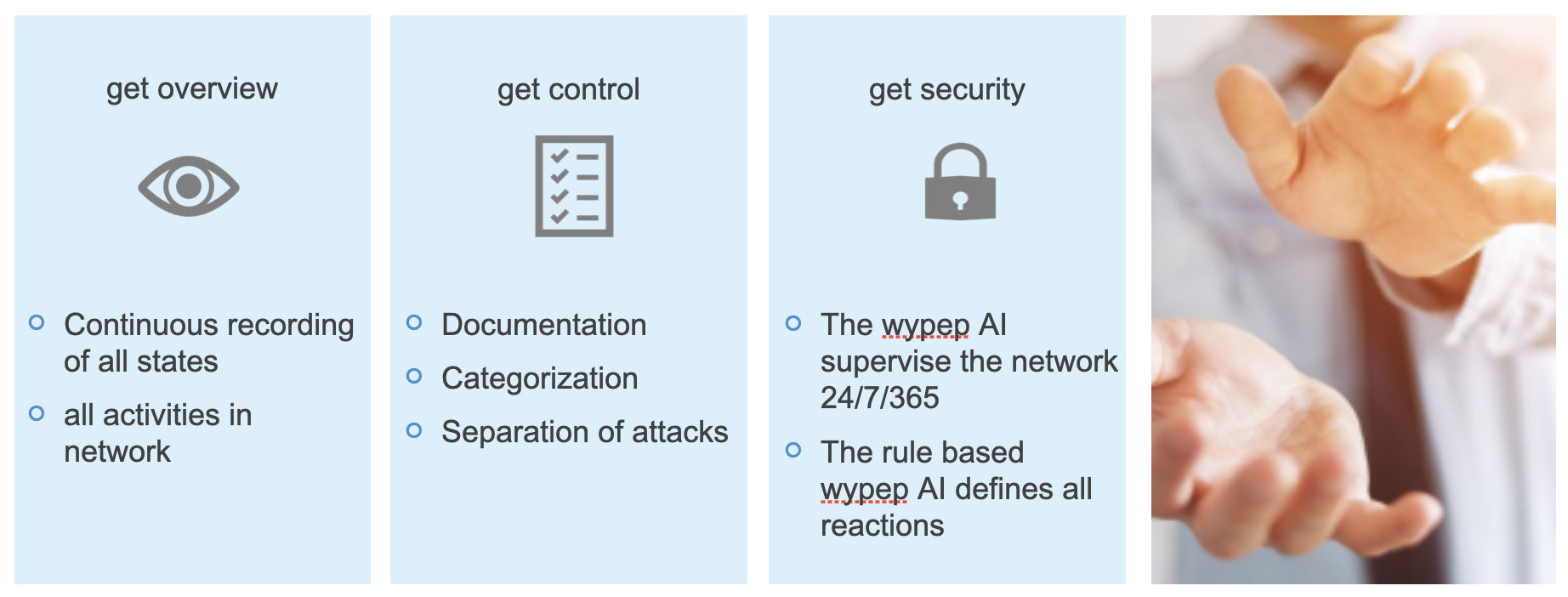
wepep (Web-based Embedded Protection and Evaluation Platform) is an AI-based system for monitoring, analyzing, and securing LAN and CAN networks (Local Area Network / Cooperated Area Network). The goal is to establish a new level of network security through automated behavior analysis, pattern recognition, and autonomous responses while relieving administrators 24/7/365.
The subsystem digiswat (Digital Surveillance and Active Takedown) complements wepep as a tactical protection and intervention module, operated via Docker technology on various platforms (preferably dedicated NAS systems such as QNAP, NetApp for large networks as well as Windows, Linux, Android, embedded systems for mobile or smaller networks).
Basic Functions of the System ^^^up
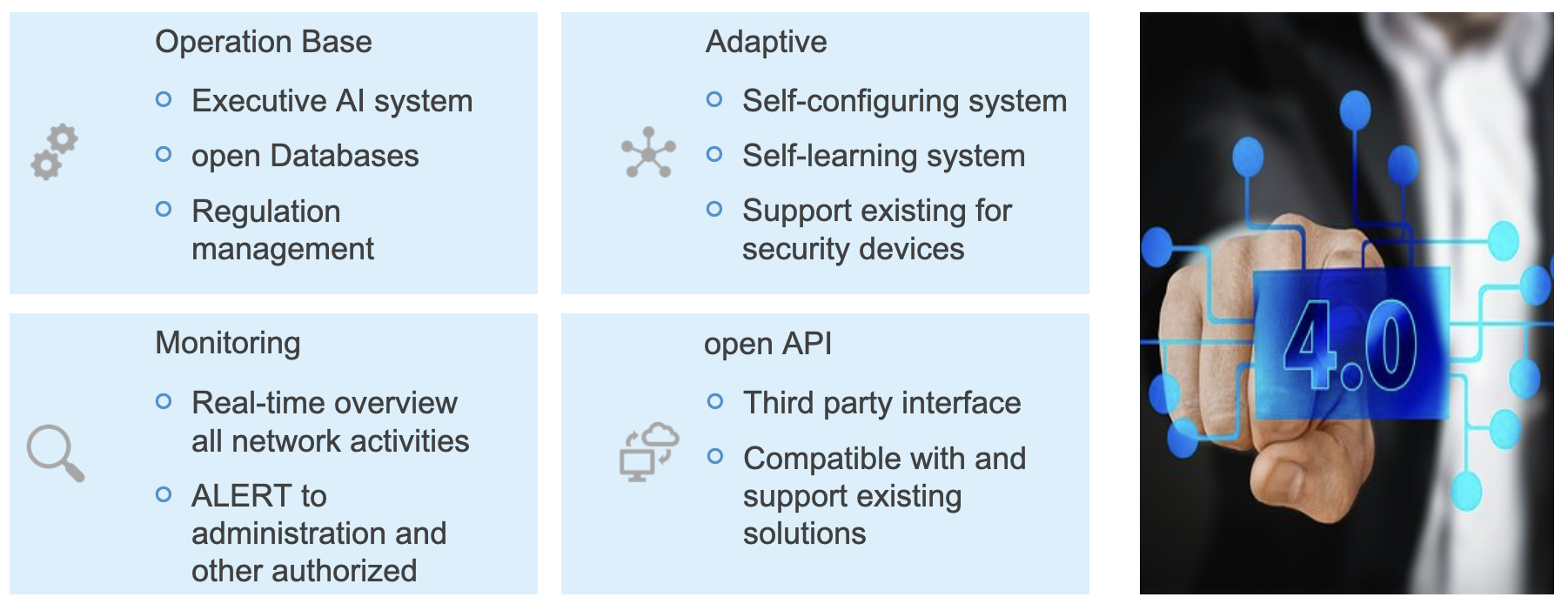
2.1 Network Monitoring
- Protocol Detection: wepep analyzes network traffic at packet level from monitor ports (e.g., core switches, firewalls). Supported protocols: TCP/IP, UDP, HTTP/S, FTP, MQTT, Modbus-TCP, CAN-FD, KNX, IR, and more.
- Session Tracking: All devices are identified using unique session IDs.
- Live Topology Detection: Physical and logical network structures including users are visualized in real time through ARP, mDNS, and LLDP sniffing.
2.2 Behavior Detection
- Profile Generation: A normal profile is created for each device/user (data rate, target IP, ports, patterns).
- Anomaly Detection: Deviations are detected using clustering and deep learning.
- Categorization: Anomalies are classified into risk levels – from harmless to critical.
2.3 Long-Term Data Collection and Network History
- Structured network data is stored over extended periods.
- Time-based analysis enables explanations for core router overloads and documents development up to replacement or restructuring.
- Historical behavior comparisons allow conclusions about planned attacks, from which wepep derives protective patterns through continuous learning.
Swarm Intelligence and Adaptive Response ^^^up
3.1 Swarm Behavior
- Multiple wepep and digiswat instances exchange status data via secure APIs.
- Security-relevant events are distributed system-wide and enriched with behavioral signatures.
3.2 Collective Learning Ability
- Local detections flow into a global threat database.
- Updates are signed and delayed to prevent abuse.
3.3 Response Mechanisms
- Soft Response: Notification to admins, logging, isolation in monitoring mode.
- Hard Response: Port blocking, VLAN exclusion, SNMP/REST control.
- Remote Response: Control of digiswat clients for targeted countermeasures.
Installation and System Integration ^^^up
4.1 Hardware Requirements
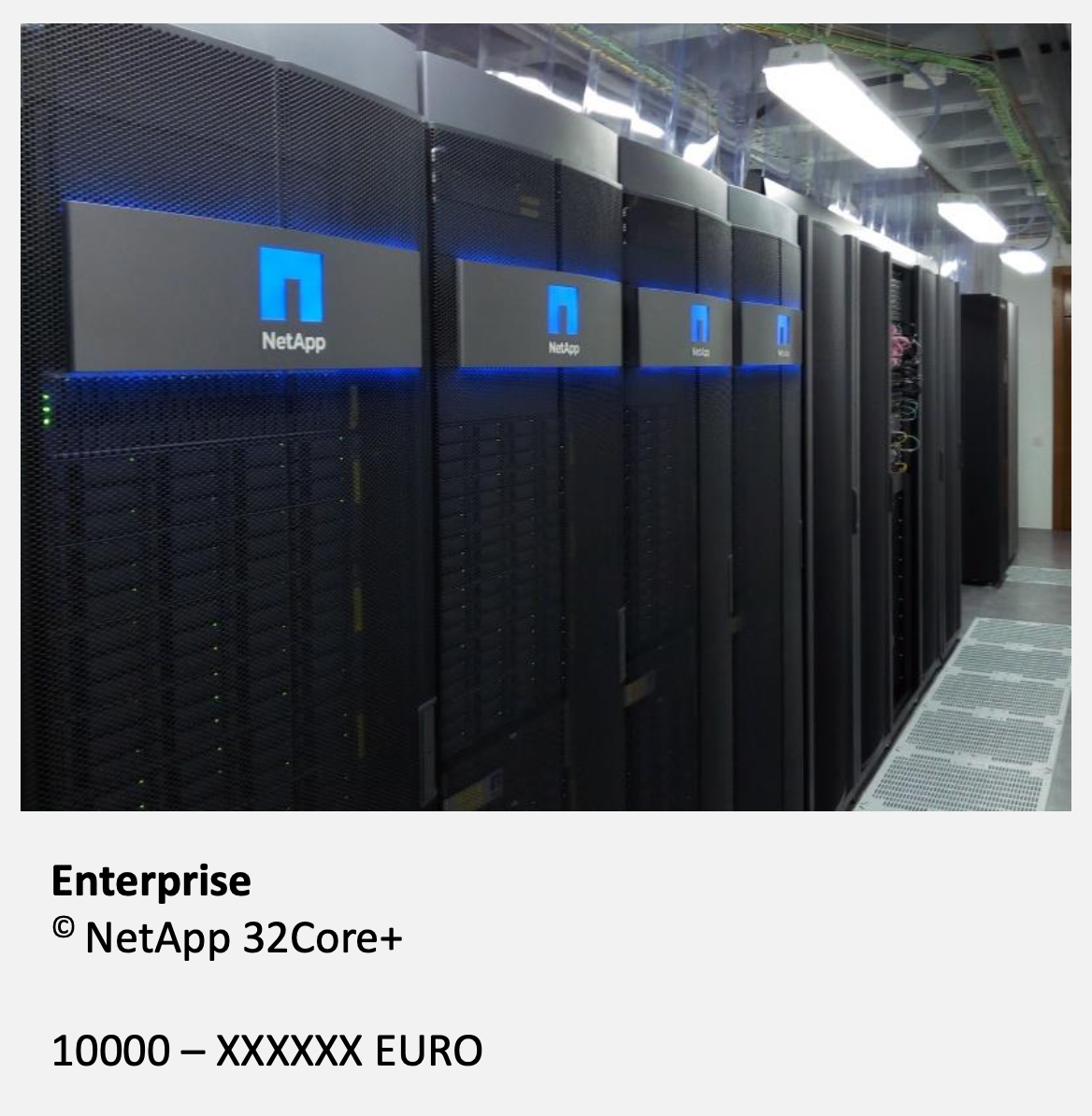
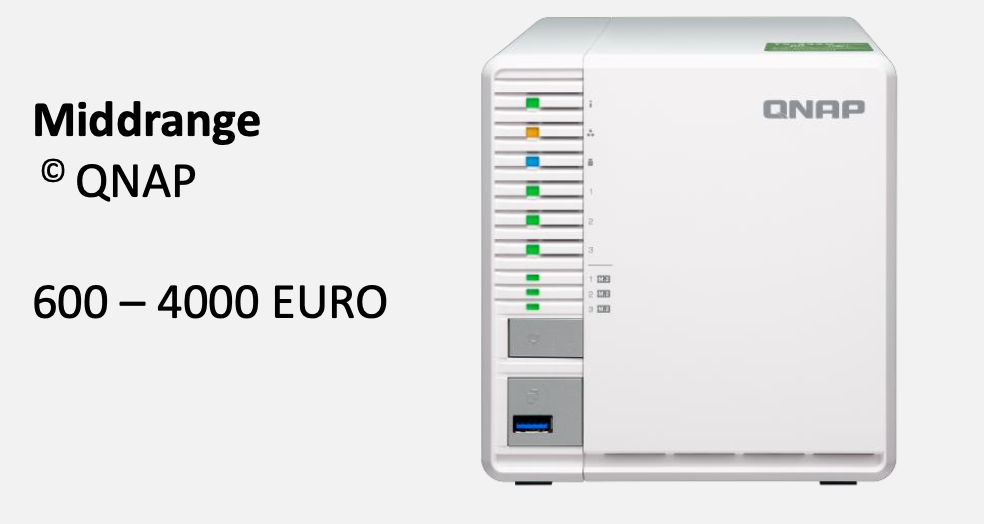
- Docker container recommended on NAS (QNAP for small, NetApp for large networks).
- Also operable on Raspberry Pi or OpenWRT devices.
4.2 Software Basis
- Backend: PHP, SQLite/MariaDB, Python for Deep Packet Inspection (DPI).
- Frontend: WebUI with authentication, localization, responsive design.
- APIs: REST API, MQTT for edge communication.
The Protection System “digiswat” ^^^up
5.1 Objectives
- Complements wepep as an active protection and control module.
- Installable on NAS, servers, workstations, tablets, embedded devices.
- Tasks: Anomaly and attack detection, user monitoring, remote control.
5.2 Platform Integration
- Clients for: Windows (.NET 8), Linux (systemd), Apple (iOS/macOS), Android.
- TLS-encrypted connection to wepep servers.
- Low resource consumption, ideal for older systems.

5.3 Functionality
- Sensor System: Process monitoring, log analysis, UI monitoring.
- Analysis: Local TinyML models evaluate behavior.
- Interaction: Findings are reported to wepep, which triggers central responses.
Protection Mechanisms in Detail ^^^up
6.1 Geolocking
- Access based on geographic IP is possible.
- Whitelists supported for mobile users (e.g., field staff).
6.2 Containerization
- Critical services in containers with network restrictions.
- The swarm monitors and isolates compromised instances.
6.3 Plausibility Checks
- External commands (e.g., from digiswat) are verified (signature, time, geodata).
- Suspicious patterns such as simultaneous logins from distant locations are automatically reported or blocked.
Application Examples ^^^up
7.1 Office and Corporate Networks
- Blocking unauthorized devices.
- Detection of compromised IoT devices (e.g., FTP-capable cameras).
7.2 Production Environments
- SCADA/CAN monitoring for tampering.
- Protection against knowledge leakage via digital twins / profile comparisons.
Under Development ^^^up
- AI Coupling with LLMs: Semantic analysis of commands and communication.
- Zero-Trust Architecture: Microsegmentation with client-based authentication.
- OTA Updates (Over-the-Air): AI models can be remotely updated and optimized.
Abbreviations (Glossary) ^^^up
| Abbreviation | Meaning |
| ------------ | ---------------------------------------------------------------------- |
| LAN | Local Area Network |
| CAN | Cooperated Area Network |
| DPI | Deep Packet Inspection |
| MQTT | Message Queuing Telemetry Transport |
| NAS | Network Attached Storage |
| QNAP | Quality Network Appliance Provider |
| SNMP | Simple Network Management Protocol |
| API | Application Programming Interface |
| TLS | Transport Layer Security |
| UI | User Interface |
| LLM | Large Language Model |
| OTA | Over-the-Air (Update Method) |
| REST | Representational State Transfer (API) |
| ARP | Address Resolution Protocol |
| LLDP | Link Layer Discovery Protocol |
| AI/KI | Artificial Intelligence (Künstliche Intelligenz) |
| WEPEP | Web-based Embedded Protection and Analytics Engine for Packet Networks |